How data, experience, and real-world insight shape better traffic decisions
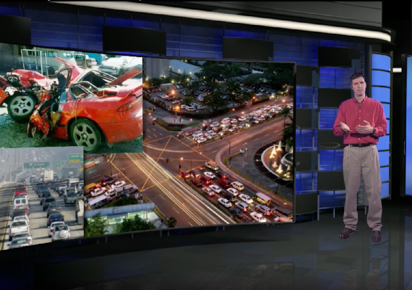
In this episode of the Wavetronix Pulse Podcast, host Cole Packard sits down to explore what it really means to be a traffic consultant—and how the role is evolving as transportation becomes more data-driven.
Throughout the conversation, Cole brings a practical lens to the discussion, highlighting a key theme: while technology continues to advance, it’s the people interpreting the data who ultimately drive better outcomes.
More Than Just Signal Timing
As Cole points out early in the episode, there’s a common misconception that traffic consultants primarily focus on signal timing. In reality, their role is much broader.
Traffic consultants are responsible for understanding how entire systems operate—from individual intersections to coordinated corridors. That includes:
- Evaluating traffic patterns over time
- Identifying inefficiencies in signal performance
- Recommending improvements that balance safety and mobility
Cole emphasizes that this work often happens behind the scenes, but its impact is felt by every driver on the road.

Turning Data Into Decisions
A major focus of the discussion is how consultants use traffic data in their day-to-day work.
Cole highlights an important distinction: collecting data is no longer the challenge—making sense of it is.
With modern detection technologies providing more information than ever, consultants must:
- Filter out noise and focus on what matters
- Identify patterns that indicate underlying issues
- Translate insights into actionable recommendations
As Cole notes, this is where experience becomes critical. The ability to interpret data in context is what separates raw information from meaningful improvement.
Bridging Technology and the Real World
Another theme Cole returns to is the gap between what technology can do and what agencies can realistically implement.
Advanced tools—like real-time detection and adaptive signal control—offer significant potential. But as discussed in the episode, successful deployment depends on:
- Existing infrastructure constraints
- Agency resources and priorities
- Long-term maintainability
Cole frames this as one of the consultant’s most important roles: connecting innovation with practical application.
Why Context Still Matters
Throughout the conversation, Cole reinforces that traffic engineering isn’t one-size-fits-all.
Every intersection operates within a unique environment shaped by local traffic behavior, roadway design, and community needs. Consultants must account for these variables when developing solutions.
This emphasis on context highlights a broader point: even in a data-driven world, local knowledge and experience remain essential.
Connecting Data to Better Outcomes
For Cole, the takeaway is clear—data is only valuable when it leads to better decisions.
Accurate detection provides the foundation, but it’s the insight of consultants that turns that data into improvements in traffic flow, safety, and overall system performance.
At Wavetronix, that connection is central: delivering reliable, actionable data that supports smarter decisions at every level of traffic management.
Moving Forward
As Cole concludes, the role of the traffic consultant is becoming even more important as systems grow more complex.
The future of transportation will depend not just on better technology, but on the ability to interpret and apply it effectively. And that’s where consultants continue to play a critical role—bridging data, technology, and real-world impact.